Fear No Evil

1969

Action / Horror / Thriller

7
Rotten Tomatoes Audience - Upright 80%
IMDb Rating 6.4/10 10 488 488

Director

Top cast

Ivor Barry as Lecturer
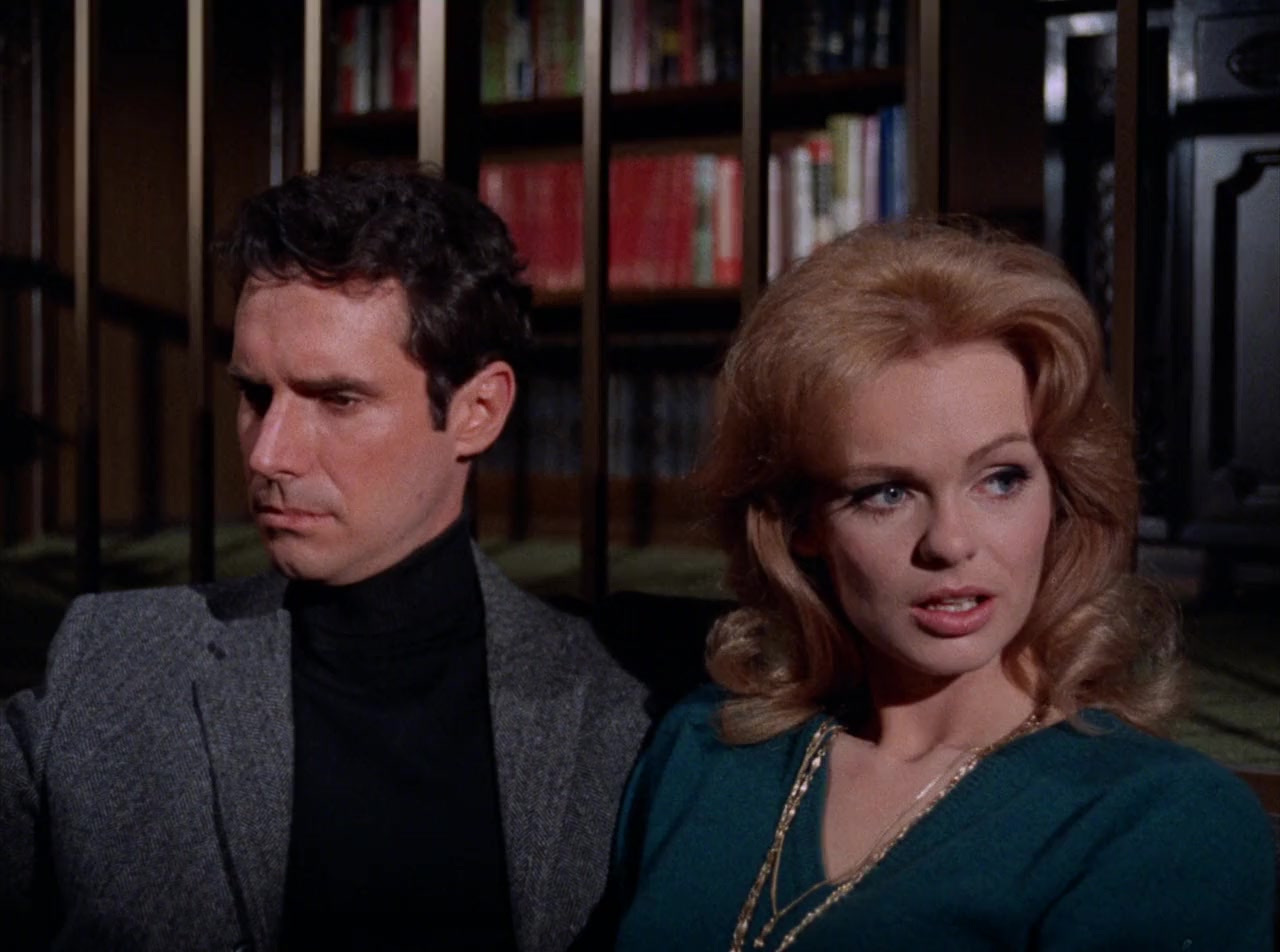
Lynda Day George as Barbara Anholt
Carroll O'Connor as Myles Donovan
Bradford Dillman as Paul Varney
720p.BLU 1080p.BLU
897.91 MB
1280*952
English 2.0
NR
23.976 fps
1 hr 37 min
Seeds ...
1.63 GB
1440*1072
English 2.0
NR
23.976 fps
1 hr 37 min
Seeds 4

Movie Reviews

Reviewed by kevinolzak 6 / 10

First seen on Pittsburgh's Chiller Theater in 1974

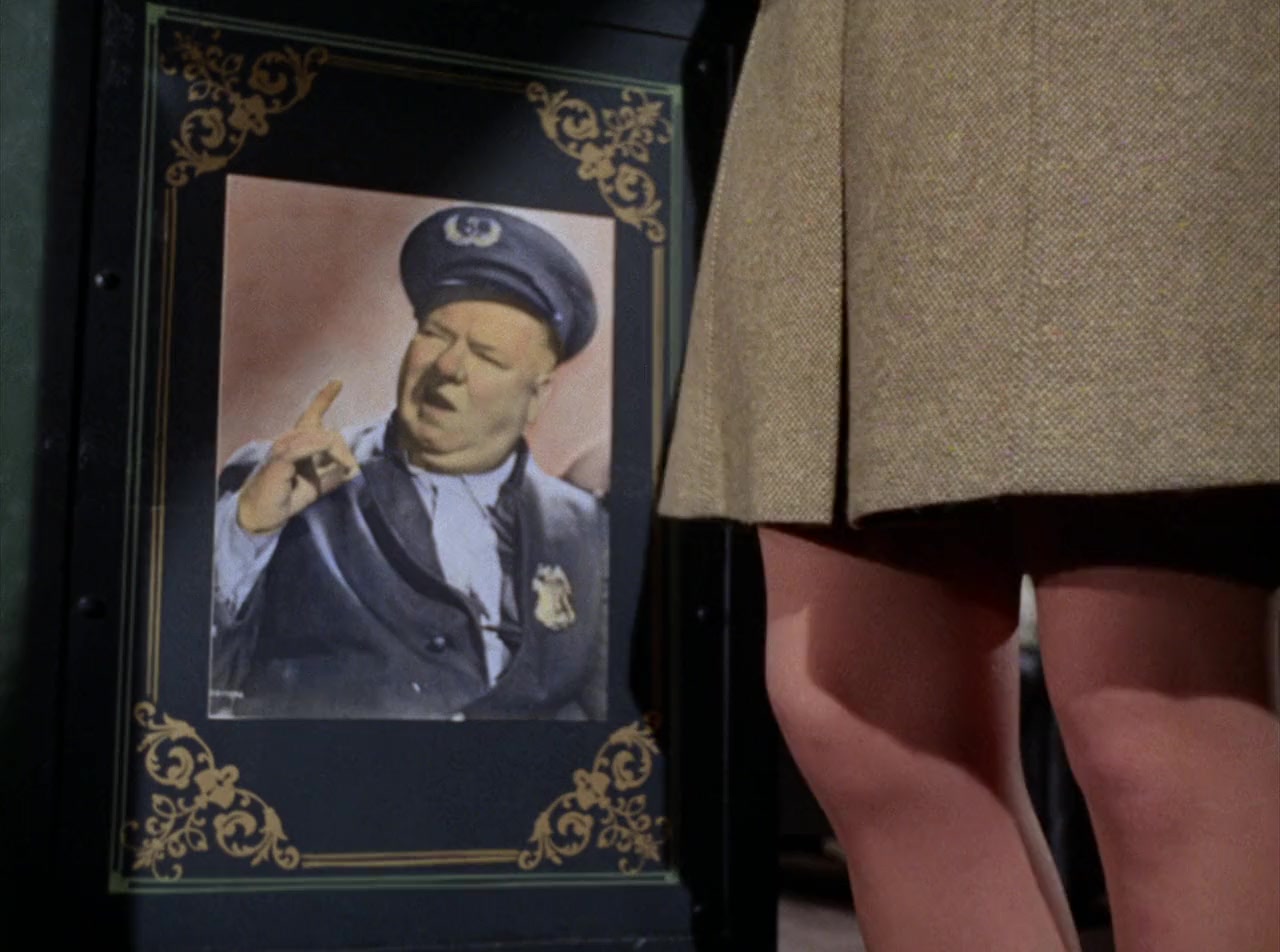
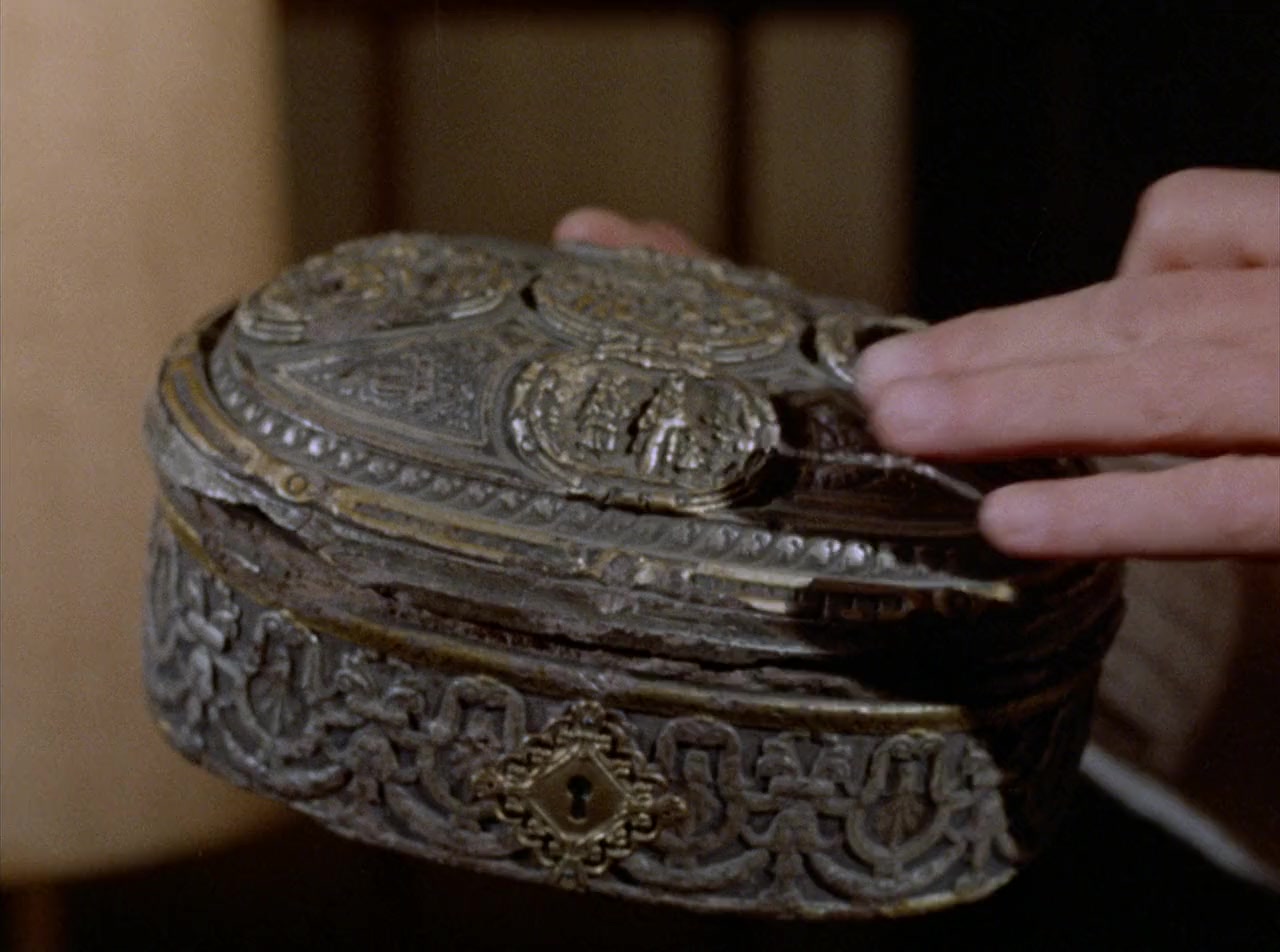
"Fear No Evil" was the NBC network's very first 'Monday Night at the Movies,' broadcast Mar. 3, 1969, the last assignment before his 1970 death for renowned screenwriter Guy Endore, initially touted as "Dead of Night," then changed to "The Bedeviled," before finally being completed by Richard Alan Simmons. It served as a proposed pilot for a series starring Louis Jourdan as Dr. David Sorel, a parapsychologist dealing in unexplained phenomena and the occult, aided by cohort Wilfrid Hyde White as Harry Snowden (Wilfrid had previously played a similar role in another failed pilot that actually went out to theaters, Patrick O'Neal's 1966 "Chamber of Horrors"). Paul Varney (Bradford Dillman) urgently makes a midnight call on a local antique shop to purchase a 200 year old full length mirror, preparing to wed fiancee Barbara Anholt (Lynda Day George) in a few weeks. The couple pay a visit to David Sorel the very next day, after which Paul is killed in an automobile accident when he spies his own visage in the rear view mirror. Feeling partially responsible for the tragedy, David takes it upon himself to treat the grieving Barbara, now temporarily staying at the estate of Paul's mother (Marsha Hunt), who was at first convinced that the poor girl was no good for her son but now seeks forgiveness. Meanwhile, the mirror that signaled his demise houses the Persian demon Rakashi (Lord of Light, Lust and Blood), taking his form to ravish Barbara each night, leaving her utterly drained and defenseless without David's guidance. A little diligent research leads the doctor to discover a modern day cult of devil worshipers who chose a random victim in Paul Varney, an evil that must be vanquished for Barbara to survive. Renowned as one of the scariest TV movies of its time, it's certainly frank about passion from beyond the grave, an uneasy foreshadowing of director Paul Wendkos' 1971 theatrical feature "The Mephisto Waltz," in which evil actually triumphs over good. So adept at cold, calculating villains (and a splendid "Count Dracula" for the BBC in 1977), Louis Jourdan makes for a surprisingly sympathetic protagonist, using rational logic in his search for the truth, earning a sequel one year later with "Ritual of Evil," but no subsequent series.
Reviewed by

Reviewed by CinemaCynic 6 / 10

??Psychic Thrills and Chills: Haunts the Mind ??

Paul Wendkos' 1969 made-for-television film "Fear No Evil" offers viewers a chilling exploration of the supernatural that, while not groundbreaking, manages to deliver an engaging and atmospheric experience. This gothic horror tale follows the story of a psychiatrist who becomes embroiled in a battle against dark forces when he attempts to help a young woman plagued by a malevolent entity.

The film's strength lies in its ability to create a palpable sense of unease and tension throughout its runtime. Wendkos skillfully utilizes the limitations of the television format to his advantage, relying on suggestive imagery and psychological horror rather than explicit scares. This approach proves effective in maintaining a creepy ambiance that keeps viewers on edge.

Louis Jourdan delivers a solid performance as the skeptical psychiatrist Dr. David Sorell, bringing a sense of gravitas and believability to his role. His journey from doubt to acceptance of the supernatural elements forms the backbone of the narrative, allowing the audience to gradually immerse themselves in the increasingly bizarre events unfolding on screen.

Lynda Day George, portraying the tormented Barbara Anholt, manages to convey a convincing sense of vulnerability and fear, although at times her performance teeters on the edge of melodrama. The supporting cast, including Bradford Dillman as Barbara's concerned husband and Carroll O'Connor in a small but memorable role, contribute to the overall effectiveness of the ensemble.

One particularly stand-out scene occurs during a séance sequence, where Wendkos masterfully builds tension through a combination of eerie sound design, shadowy cinematography, and well-timed reveals. This scene encapsulates the film's ability to create genuinely unsettling moments without relying on excessive special effects or gore.

The screenplay, penned by Richard Alan Simmons, weaves together elements of traditional ghost stories with more modern psychological thriller tropes. While not always seamlessly integrated, this blend of old and new horror conventions helps to keep the narrative fresh and unpredictable.

However, "Fear No Evil" is not without its flaws. The pacing occasionally lags, particularly in the middle section, and some of the dialogue feels stilted by today's standards. Additionally, the limited budget and constraints of television production are evident in certain scenes, which may detract from the overall immersion for some viewers.

Despite these shortcomings, the film manages to overcome many of its limitations through sheer atmosphere and committed performances. The use of location shooting adds a layer of authenticity to the proceedings, while the moody score by Billy Goldenberg enhances the supernatural elements without overpowering the on-screen action.

As a product of its time, "Fear No Evil" serves as an interesting snapshot of late 1960s horror cinema, bridging the gap between classic gothic tales and the more visceral horror that would come to dominate the genre in subsequent decades. While it may not reach the heights of cinematic horror classics, it offers a solid and entertaining entry in the supernatural thriller subgenre.

Read more IMDb reviews

1 Comment

Be the first to leave a comment