Late Spring

1949 [JAPANESE]

Action / Comedy / Drama

33
Rotten Tomatoes Critics - Certified Fresh 100% · 25 reviews
Rotten Tomatoes Audience - Upright 92% · 2.5K ratings
IMDb Rating 8.2/10 10 21332 21.3K

Director

Top cast

Setsuko Hara as Noriko Somiya
Toyo Takahashi as Shige
Masao Mishima as Jo Onodera
720p.BLU 1080p.BLU
884.99 MB
988*720
Japanese 2.0
NR
23.976 fps
1 hr 50 min
Seeds 3
1.71 GB
1472*1072
Japanese 2.0
NR
23.976 fps
1 hr 50 min
Seeds 49

Movie Reviews

Reviewed by gbill-74877 7 / 10

On the bittersweet sadness of inevitable change and separation

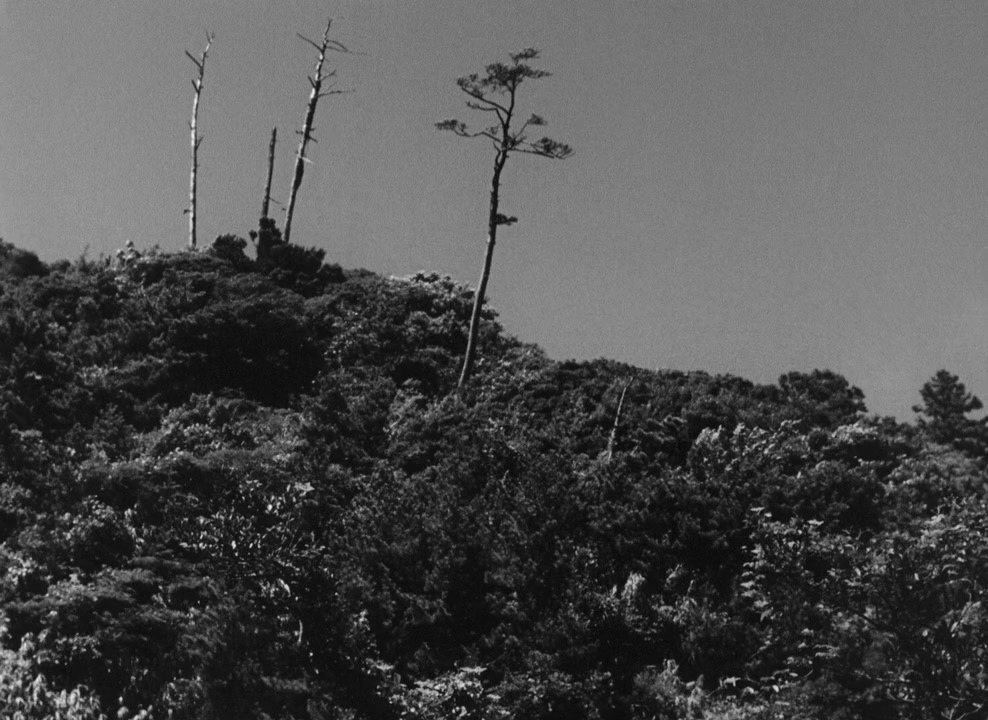
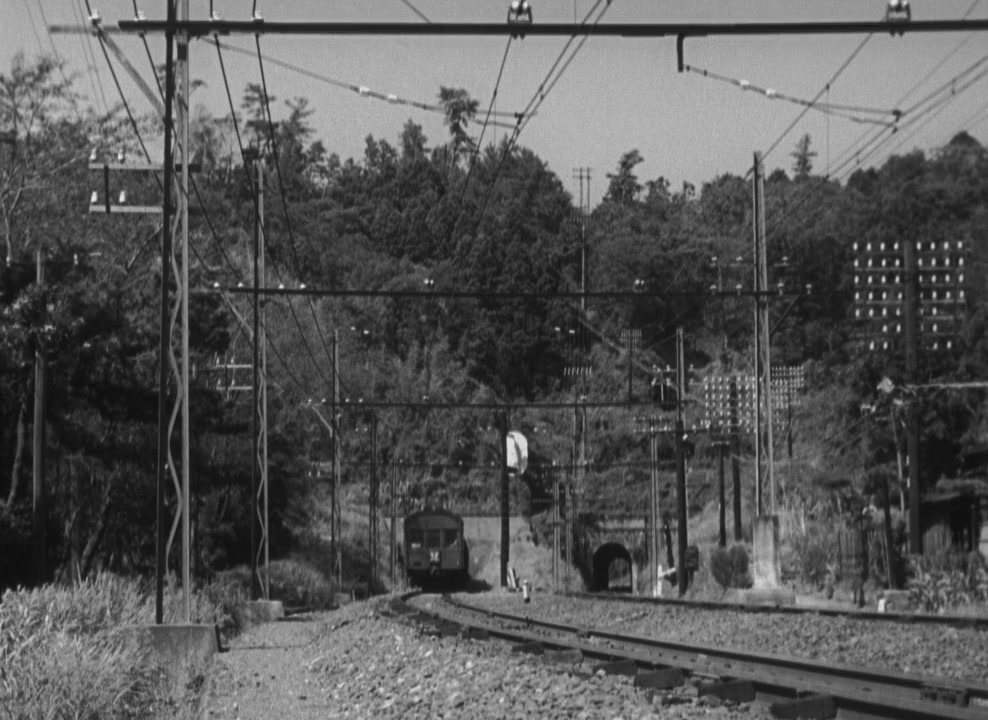
"I just want to be with you, like this."A film that was made with excellent craftsmanship and certainly highly polished, but too tranquil, too gentle for my taste to truly love, even though it is communicating one of life's most moving emotions, that of bittersweet sadness over inevitable change and separation.Japan in 1949 was occupied, and there are numerous post-war references in clothing, advertisements, and kids playing baseball, all of which reflect change and westernization. A man is said to look like Gary Cooper, there's a reference to a scene from a William Hart film, and even the book the father packs for a train ride has an English cover, Thus Spake Zarathustra by Nietzsche (interesting choice). Among young women who appear to be traditional or at least nice people, there is discussion of divorce and pregnancy outside of marriage, reflecting shifting values. We also see traditional things, such as the etiquette of serving food and sake, a tea ceremony, an extended Noh performance, and a Zen rock garden. These elements seem to be put side by side to say that Japan is gradually changing, just as Hara's character must change, even though she doesn't realize it. I really liked this parallel, but the degree of the daughter's filial devotion didn't resonate with me, as it seemed to border a little on traditionalist fantasy.Ozu puts a lot of care into shot composition, and I adored those of trees blowing gently in the wind, the train lumbering its way into the city, and the very pretty Setsuko Hara bicycling out to the shore with a friend in what was perhaps my favorite scene. Where he falls short for me is in his scenes with dialogue, where I think he takes this feeling of harmony and precision too far. We see close shots on the actors each in turn, both with smiles plastered to their faces, talking gently back and forth. It's too harmonious, almost like an episode of the 1950's American TV Show 'Leave it to Beaver,' and doesn't feel authentic. To be fair though, Hara has some nice moments of angst, such as when her aunt suggests that she should get married and her father should find a second wife, and the film's final shot is touching.I guess I needed more of that, but know it's just a matter of personal taste - in literature I respect but struggle to love authors who write elegantly but without passion or a sense of the darker aspects of our souls, and I think it's the same here. I compare the feeling of post-war Japan here to some of Ozu's contemporaries, and am just drawn more to others, that's all.
Reviewed by claudio_carvalho 8 / 10

Father and Daughter Relationship in the Traditional Japan

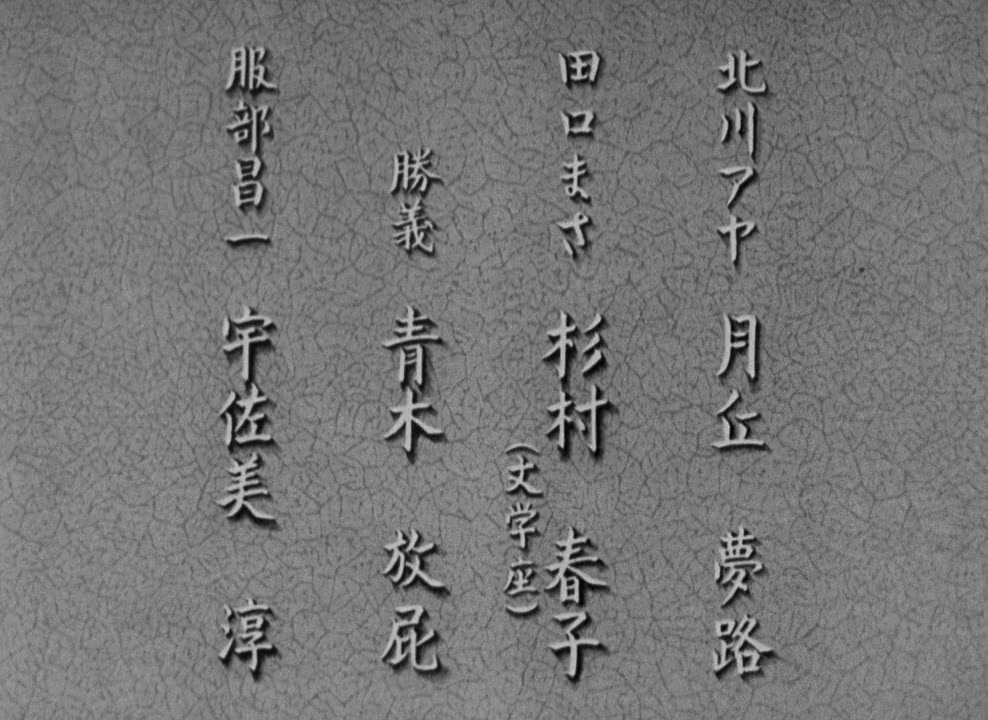
In the post-WWII Japan, the twenty-seven year-old Noriko Somiya (Setsuko Hara) lives a simple but happy life with her fifty-seven year-old widower father, the college professor Shukichi Somiya (Chishu Ryu) in the suburb of Tokyo. Noriko has recovered from a disease she had during the war, and her aunt Masa Taguchi (Haruko Sugimura) and her friend Aya Kitagawa (Yumeji Tsukioka) press her to get married. However, Noriko would rather stay single and taking care of her beloved father. When Masa finds a promising fiancé to Noriko, she tells that her father will remarry sooner, forcing the reluctant Noriko to take a decision."Banshun" is another wonderful movie of the Japanese director Yasujiro Ozu about his favorite theme: family and human relationship. Ozu discloses through a very simple storyline, the relationship of a widowed father and his mature daughter and the need of a woman to get married with an arranged marriage as a natural order of life in the traditional Japan, a beautiful and touching story, supported by awesome performances and using a magnificent camera work, with symmetrically framed images and unusual angles. My vote is eight.Title (Brazil): "Pai e Filha" ("Father and Daughter")
Reviewed by

Read more IMDb reviews

5 Comments

Be the first to leave a comment