Monsieur Verdoux

1947

Action / Comedy / Crime / Drama
15
Rotten Tomatoes Critics - Certified Fresh 97% · 37 reviews
Rotten Tomatoes Audience - Upright 88% · 5K ratings
IMDb Rating 7.8/10 10 20486 20.5K

Top cast

Ethelreda Leopold as Garden Party Guest
Irving Bacon as Pierre Couvais
Wheaton Chambers as Val Bert - Pharmacist
Addison Richards as Bank Manager
720p.BLU 1080p.BLU
1.1 GB
968*720
English 2.0
NR
Subtitles us  
23.976 fps
2 hr 4 min
Seeds 2
2.06 GB
1440*1072
English 2.0
NR
Subtitles us  
23.976 fps
2 hr 4 min
Seeds 14

Movie Reviews

Reviewed by AlsExGal 9 / 10

Probably Chaplin's best sound film...

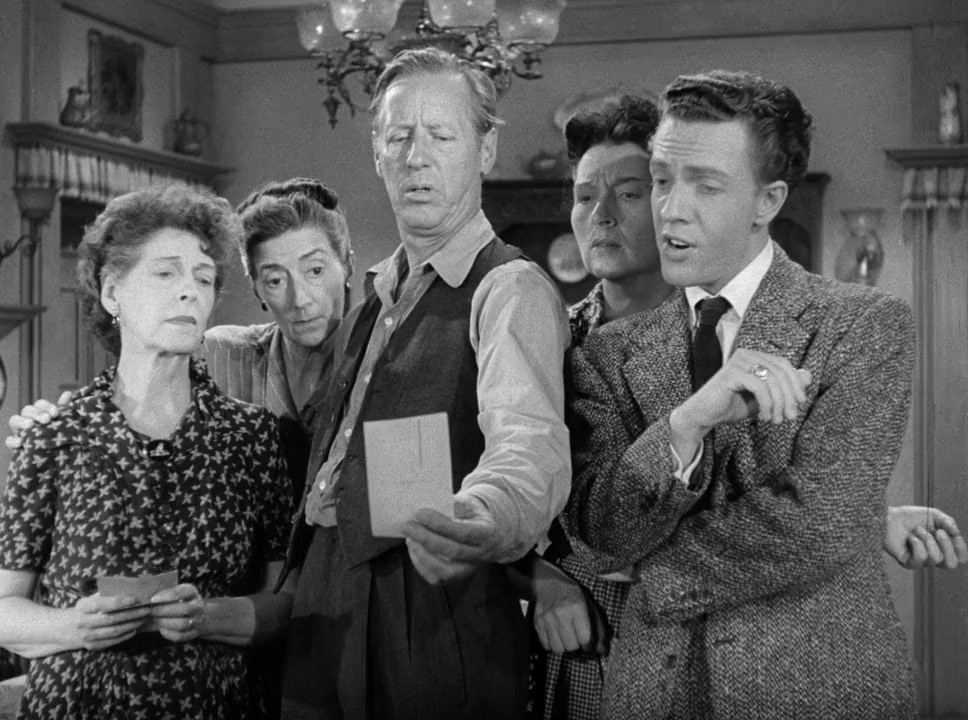
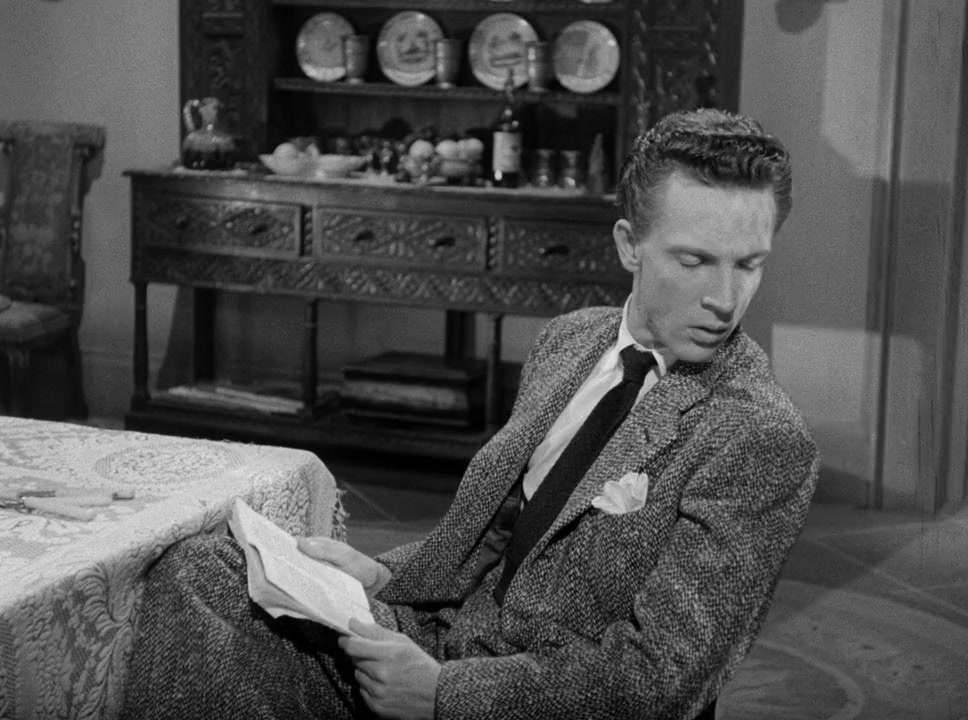
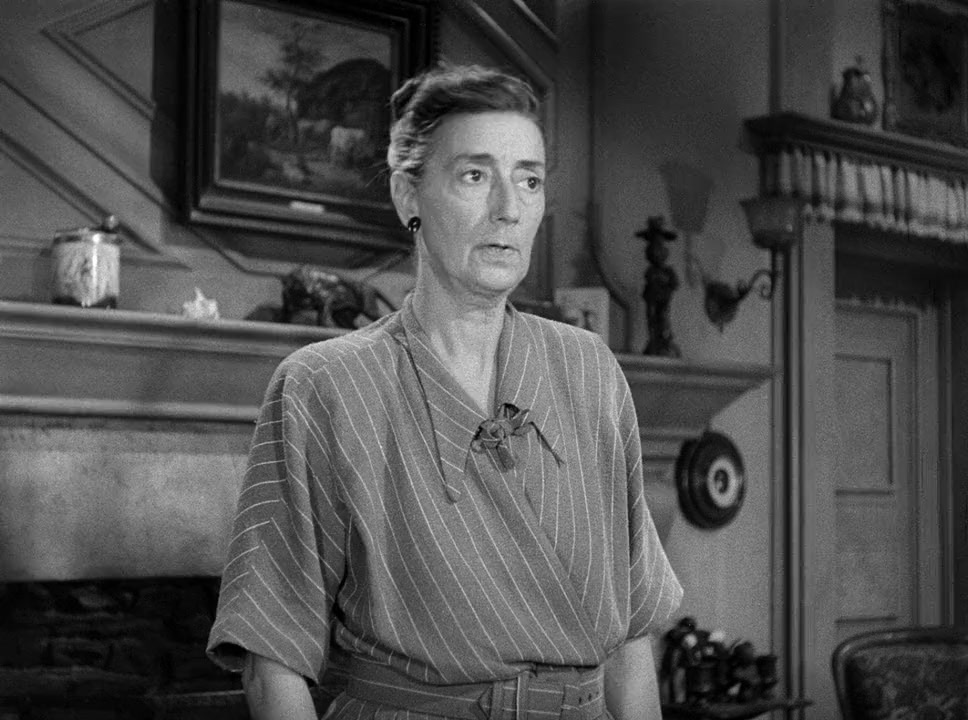
... not that he made that many of them.Chaplin plays Henri Verdoux, a man who goes about marrying and then killing upper middle class middle-aged women for their money and property. If he was known to be around at the time of their death, he disposes of their bodies in such a way that they will never be found. If he was not known to be around, then he doesn't bother to dispose of their bodies and just takes the cash he needs with him, leaving like he was never there.It's awhile before it is revealed that Verdoux was what we now call "laid off" from his job at a bank after 30 years during the Depression that gripped Europe after WWI and as a result of that he is on a tear, married to multiple soon to be murder victims at a time, in order to provide for his actual crippled wife and child and eventually retire from this sordid business.You never actually see Chaplin do any violence. That would just be too stunning of an image. So everything is insinuated, such as him disposing of the property of a recently deceased wife while the incinerator out back has been going full steam for three days. Martha Raye plays one of Verdoux's more annoying and lively wives, and if you think she is too good of a comedienne for Verdoux just to visit and abruptly kill her, you'd be right. His near attempts are hilariously disrupted, including one attempt that is stopped by a group of yodlers with binoculars. Will he eventually be successful? I'd say watch and find out.In the parts of the film where Chaplin combines action, slapstick, and dialogue, the production is outstanding. At the end where he relies more on dialogue alone, I wouldn't say it drags, but I would say it is a bit "off". I get that Chaplin is trying to compare the furor that is created over the murder of a dozen people by a serial killer to society's indifference over millions dying as a result of war or famine, but I think the rather sentimental one liners he throws out blunt and muddle his message considerably.
Reviewed by

Reviewed by blanche-2 9 / 10

Brilliant black comedy with a very serious message

Charlie Chaplin is "Monsieur Verdoux" in this 1947 film based on the real-life serial killer Henri Landru. Verdoux is a bank clerk who is laid off late in life and turns to marrying and killing women for their money in order to support his invalid wife and child. Sounds brutal, and when you think about it, it really is, but Chaplin as usual manages to couch his message in comedy. While we see that he is successful in knocking off a couple of women and getting their money (though we never actually see a murder), Verdoux has a couple of failures as well, and there the fun begins. One of his women, Annabella Bonheur, is played hysterically by Martha Raye as a vulgar loudmouth eternally suspicious of Verdoux, who is posing as a boat captain. He tries some different ways of killing her, but no matter what he does, nothing works. He then turns his attention to another woman he's been chasing for some time, Marie Grosnay (Isobel Elsom). He's about to walk down the aisle when who does he see as a guest at the wedding - Annabelle. His attempts to get out of the house are priceless.

Despite some genuinely comical scenes, the speech that Verdoux makes gives its deeper message - Verdoux was in it for the money. To him, the women were business propositions to be exploited. His point is that what he has done on a smaller scale is being done by dictators worldwide; people are not treated as human beings but merely for economic gain, for power and for exploitation. Though Verdoux's argument doesn't absolve him of responsibility or justify his actions, the warning is a good one - people need to care more about each other and about what's going on in their world, and put their attention on really important matters like suppression of the masses. Why, he asks, are the headlines full of Verdoux and not of what is going on around the world? (The film's ending takes place in 1937.) It's interesting to consider what would have happened to this story in the hands of Orson Welles, whose idea it was originally. He wouldn't have made it a comedy. It would have been a drama or a detective story. Only Chaplin would think of making the story of a serial killer into a comedy of sorts. Certainly 1967's "No Way to Treat a Lady" takes a page or so from this script.

"Monsieur Verdoux" wasn't well received by the public - at all - and by 1947, people were questioning Chaplin's politics instead of reveling in his genius. It possibly was ahead of its time; it certainly wasn't appreciated as it is today. The movie is not without some problems, the biggest one being, what the heck happened to Verdoux's wife and child? It is never explained.

"Wars, conflicts - it's all business. One murder makes a villain; millions a hero. Numbers sanctify." Charlie Chaplin as Verdoux said that 61 years ago.

Read more IMDb reviews

6 Comments

Be the first to leave a comment