Romería

2025 [SPANISH]

Biography / Drama / Romance

Rotten Tomatoes Critics - Rotten 87% · 39 reviews
Rotten Tomatoes Audience - Upright 87%
IMDb Rating 6.8/10 10 2214 2.2K

Plot summary

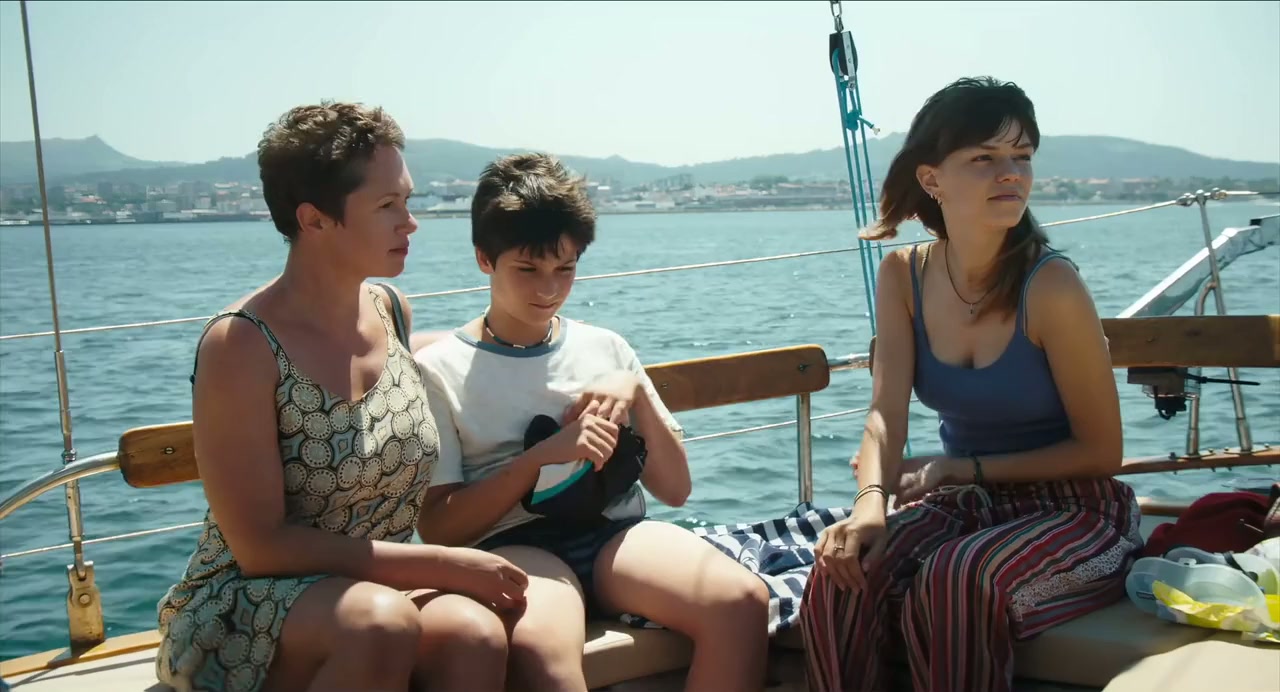
Marina, 18, orphaned at a young age, must travel to Spain’s Atlantic coast to obtain a signature for a scholarship application from the paternal grandparents she has never met. She navigates a sea of new aunts, uncles, and cousins, uncertain whether she will be embraced or met with resistance. Stirring long-buried emotions, reviving tenderness, and uncovering unspoken wounds tied to the past, Marina pieces together the fragmented and often contradictory memories of the parents she barely remembers.

Director

Top cast

Sara Casasnovas as Virxinia
Laia Manzanares as Narradora
José Ángel Egido as Abuelo Marina
720p.WEB
1 GB
1280*692
Spanish 2.0
NR
Subtitles es  
24 fps
1 hr 51 min
Seeds ...

Movie Reviews

Reviewed by 8 / 10

Carla Simon brings autofictional storytelling back to the cinema

Romería is an intense and moving film that quietly examines the blind spots of Spanish history.Carla Simon develops a kind of autofictional cinema that draws on her own biography to paint a portrait of an entire generation. Great cinema with stunning images and a fantastic newcomer in the lead role.
Reviewed by 8 / 10

Carla Simon's third feature continues her exploration of memory

What is history if not memories compiled, and what is memory, if not multiple individual narratives of singular pasts, and yet what is that individual memory but its own amalgamation and recontextualization of our own emotions and feelings. Such is the complicated relationship we have with our past and memory that Carla Simon has consistently explored in her films. She now delivers her third feature in this thematic exploration with Romeria (2025).Romeria takes place in the Spanish city of Vigo in 2004, where 18-year-old Martina (Llucia Garcia) goes to meet the estranged family on her father's side. When she was a baby, Martina's mother fled with her to Barcelona, preventing her from remembering her father. With both parents dying young, Martina now returns to Vigo to discover who her father was and the past that her young parents shared in the city; all this from the conflicting accounts of her welcoming and bickering aunts and uncles (Tristan Ulloa, Sara Casasnovas, Toño Casais, Miriyam Gallego) and her imposing paternal grandparents (Marina Troncoso, Jose Angel Egido).Simon's previous work has explored memory in different ways. With Summer of 1993 (2017) it was about how we frame our childhood memories when we remember them through an adult lens, seeing our parents differently as a result very similar to Aftersun (2022). In Alcarras (2022) memory is tied to land and place, with a family of peach farmers losing the rights to the land they'd been on for generations, and how the identity and history one latches onto land can prove fatal if severed. With Romeria Simon explores the difficult undertaking of constructing collective memory, as Martina hears conflicting accounts of who her parents were, and she's forced - much like a historian - to piece them together in the most comprehensive fashion.Yet Simon's greatest achievement in her films is her attention to detail, where insert shots of a ceiling fan, a lapping wave, or a chipped wall can do more to transport you in time and space than any speech or cultural reference. With Romeria there are multiple dueling pasts to contend with, both the 2004 "present" of the film as well as the raucous 1980s of her parents' youth. Simon approaches this with her naturalist and minimalist touch that made me wonder what wonders a collaboration between her and Kelly Reichardt would bring. Much like Reichardt, Simon never judges her characters or pities them, no matter the cruelty or mishaps they might undergo; one simply observes and extrapolates. This is all brought to a head in an uncharacteristic slip into the surreal in the third act as Martina reimagines the past of her parents with her newfound information. Yet Martina sees this memory through her biased perspective, interposing Garcia to play daughter and mother as well as an amiable cousin stepping in for what she believes her dad would be. It's a brilliant approach to the newfound yet still biased truth that Martina reaches.Simon's naturalism and minimalist approach often hides the other technical and artistic work, which can often feel like a documentary camera catching people instead of calibrated performances. Yet it is precisely this naturalism that is so hard to achieve and should be commended. The biggest kudos go to Garcia, for which this is unbelievably her first ever role. Her's is the face we are continually following throughout, and whose ability to be both audience surrogate and undergo her coming of age arc is performed with simultaneous ease. More impressive are the scenes where she embodies a version of Martina's mother, which confused me at first, thinking a different actress was on screen - such was the switch that Garcia is capable of undertaking with little help from the hair and make-up department.In the end, Romeria proves to be a brilliant new addition into Simon's explorations of memory, and confirms her as one of the most exciting and brilliant directors working today. Her's is a name that will join the list of filmmakers I will be first eager to see any future film from.
Reviewed by 8 / 10

Striking resonances

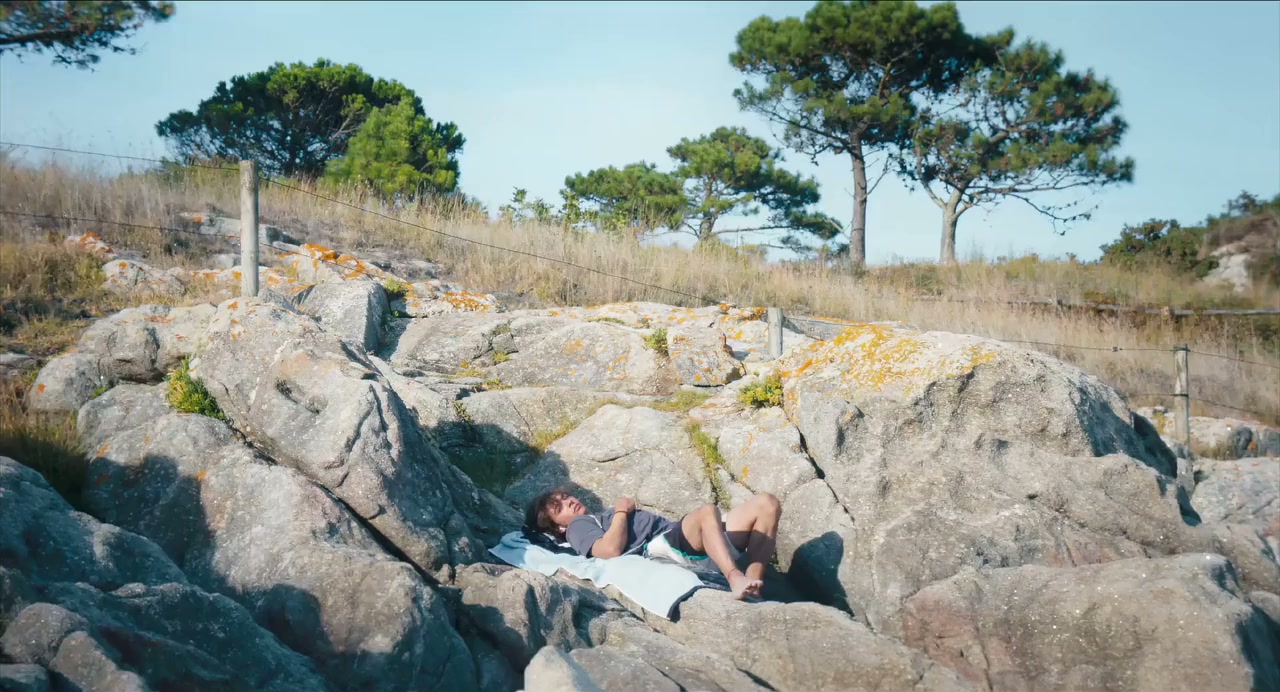
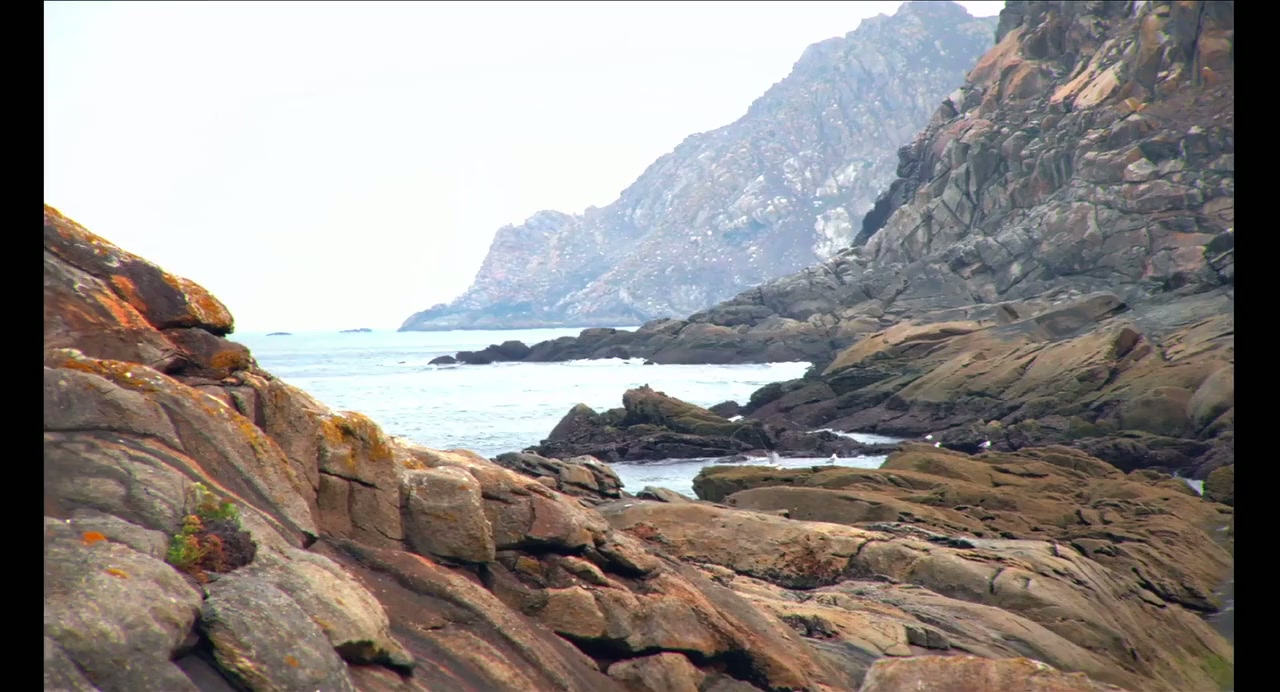
With Romería, Carla Simón concludes the trilogy that began with Summer 1993 and continued with Alcarràs-three films that, while independent, together weave a portrait of memory both private and collective. If her debut captured childhood shaped by loss, and her second feature offered a chorus of rural voices facing disappearance, this new work turns to the most personal wound: parents consumed by heroin and AIDS, and a daughter trying to piece together their story through fractured family recollections.Simón's filmmaking remains rooted in her signature naturalism-attentive to gestures, silences, and the weight of the everyday-but she now ventures into more experimental territory. Super-8 fragments, diary readings, dreamlike interludes: these elements blur boundaries between the real and the imagined, producing a layered texture that heightens the emotional impact. It is a cinema of memory, built from shards rather than certainties.At the center is Llúcia Garcia, whose vulnerable yet grounded performance anchors the film. Her encounters with a paternal family still caught in shame and denial reveal how trauma persists across generations. The Galician coast, rendered with tactile precision, becomes a living presence: wet sand, mist, and ocean embodying both concealment and revelation.Far from being uneven, the final act is where Romería achieves its most striking resonance. The incursion of a subtle magical realism fuses memory, dream, and invention, allowing the story to transcend the merely anecdotal and embrace the universal. The film doesn't close with answers but with an evocative recognition: memory is not a single truth, but an unfinished dialogue.Romería stands as the culmination of Simón's most personal project to date-a film at once intimate, political, and poetic. Bold, tender, and unafraid of imperfection, it affirms her as one of the most distinctive and vital voices in contemporary European cinema.
Read more IMDb reviews

No comments yet

Be the first to leave a comment