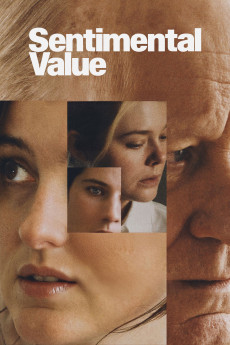
Sentimental Value

2025 [NORWEGIAN]

Action / Drama
34
Rotten Tomatoes Critics - Certified Fresh 97% · 232 reviews
Rotten Tomatoes Audience - Upright 94% · 250 ratings
IMDb Rating 7.8/10 10 51387 51.4K

Director

Top cast

Elle Fanning as Rachel Kemp
Stellan Skarsgård as Gustav Borg
Renate Reinsve as Nora Borg
720p.WEB 1080p.WEB 1080p.WEB.x265 2160p.WEB.x265
1.2 GB
1280*692
Norwegian 2.0
R
Subtitles dk  us  fi  no  sv  es  
24 fps
2 hr 13 min
Seeds 100+
2.46 GB
1916*1036
Norwegian 5.1
R
Subtitles dk  us  fi  no  sv  es  
24 fps
2 hr 13 min
Seeds 100+
2.23 GB
1916*1036
Norwegian 5.1
R
Subtitles dk  us  fi  no  sv  es  
24 fps
2 hr 13 min
Seeds 100+
5.95 GB
3836*2072
Norwegian 5.1
R
Subtitles dk  us  fi  no  sv  es  
23.976 fps
2 hr 13 min
Seeds 100+

Movie Reviews

Reviewed by Alvermanneke 8 / 10

Can acting be healing?

The movie is blessed with a strong scenario that would have excelented as a novella. The director/co-writer leaves just enough room to keep the audience wandering.This film is certainly not a tearjerker. The real emotions are often hidden behind smiles. The acting is strong but subtile.Leaving the theater I didn't have the feeling of having just watched a great movie. But when I realised a week later it still was in my head I couldn't conclude otherwise.
Reviewed by reelreviewsandrecommendations 8 / 10

Rich In Value

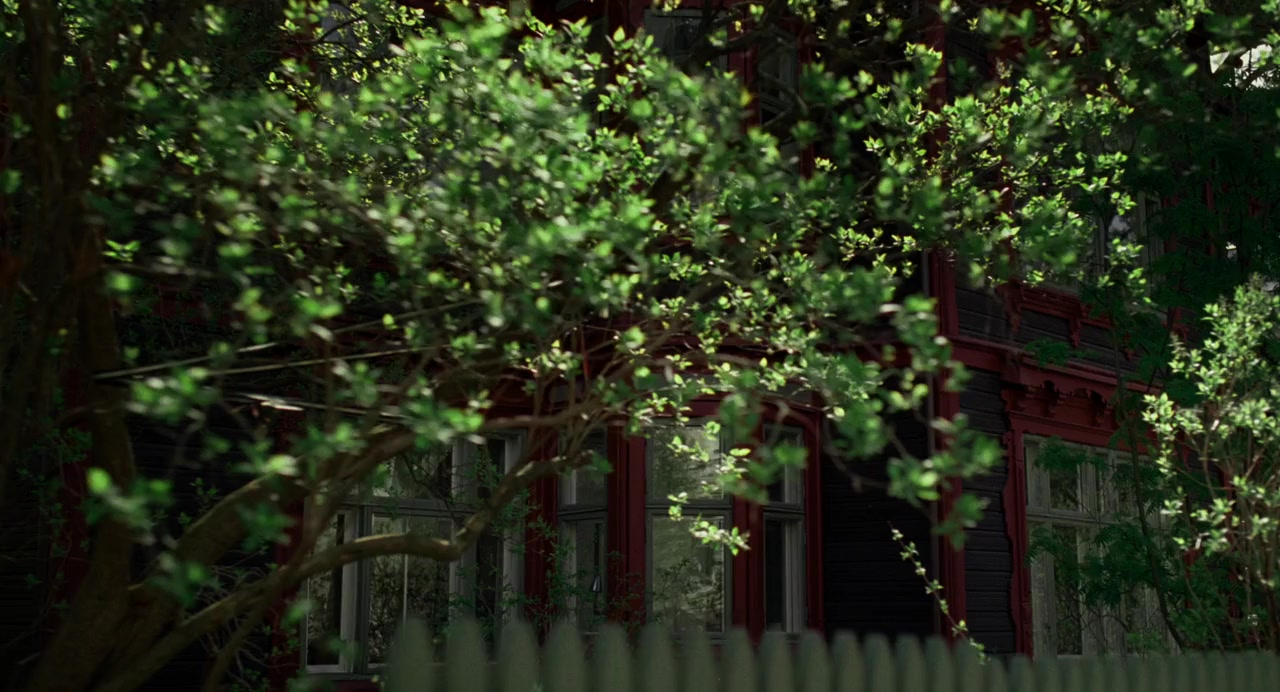
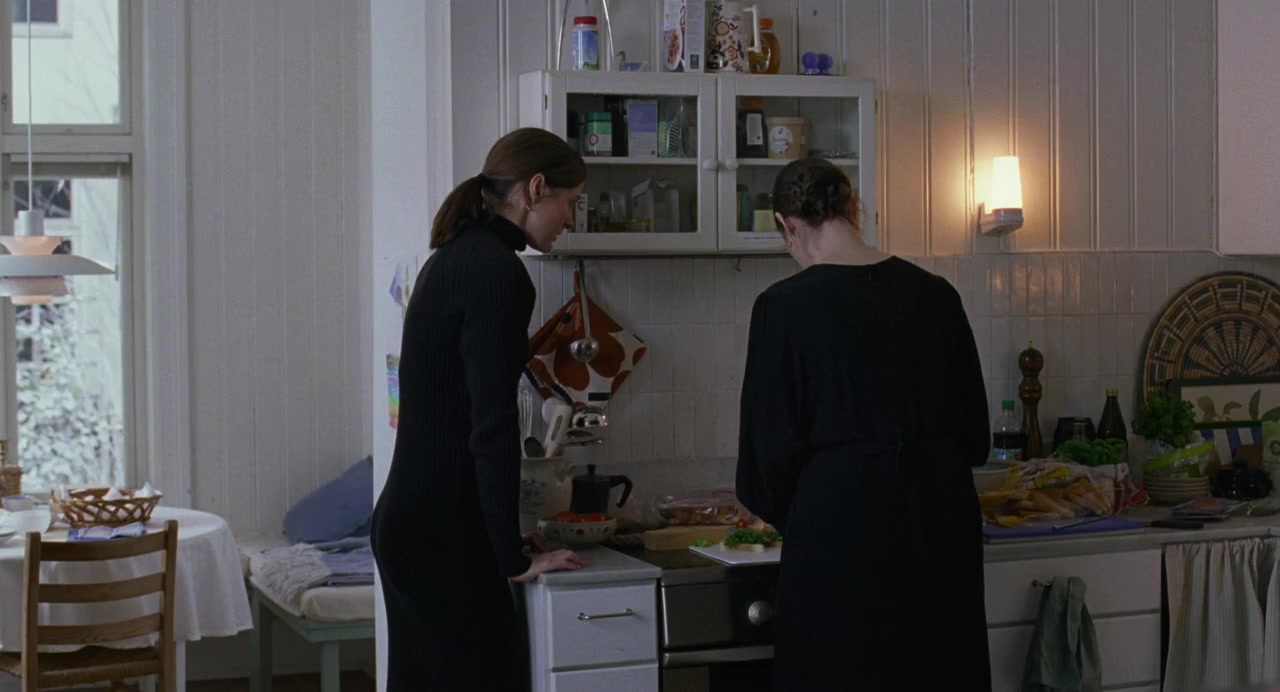
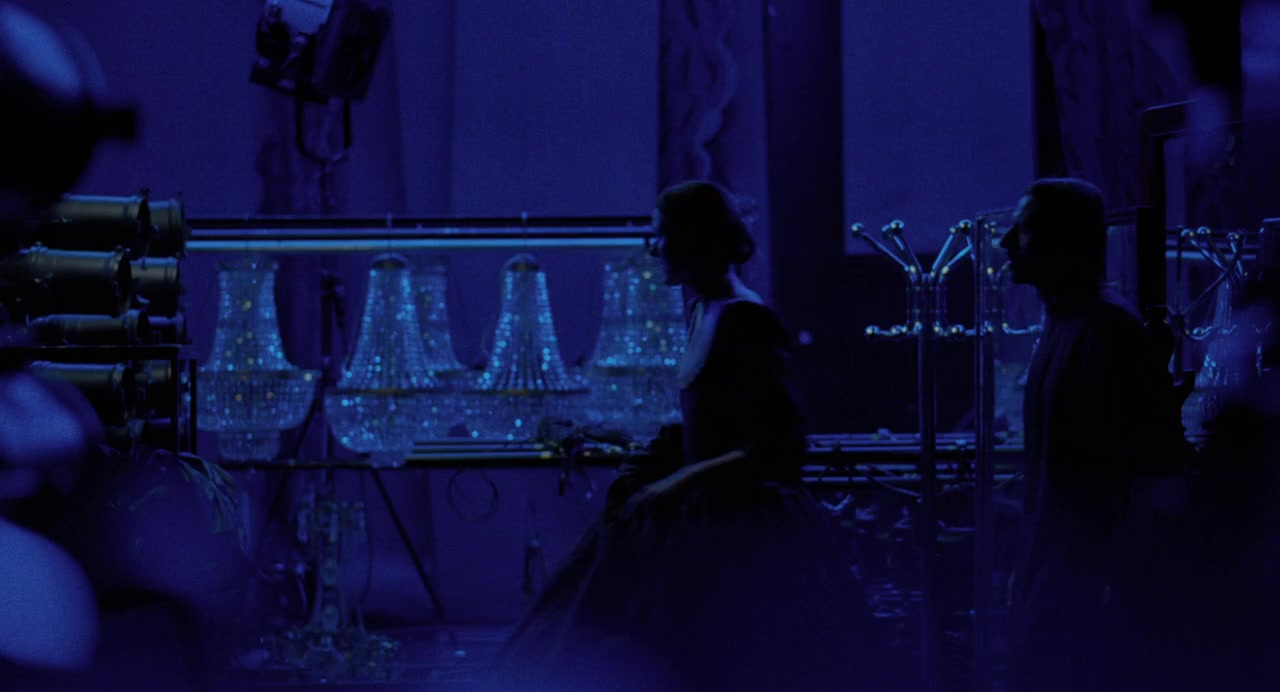
Joachim Trier's films concern themselves with the quiet crises that shape a life. His work is marked by an unusual balance of intellectual rigor and emotional generosity: formally precise yet deeply humane, ironic without cynicism and always attentive to the small, decisive moments where lives tilt almost imperceptibly. Throughout his career, he has shown a deep attunement to the ways people try to make sense of themselves amid the shifting currents of memory and expectation.His newest, 'Sentimental Value', sits comfortably within this body of work. Nuanced and touching, it follows film director Gustav Borg's relationship with his estranged daughters Nora and Agnes. After their mother's funeral brings the fractured family back together, old wounds, unspoken resentments and lingering affections resurface.It is a subtle drama, saying a great deal without ever labouring its point. Trier uses the narrative to engage with a range of themes, not least the messy dynamics of familial life, generational and inherited trauma and the tension between creative ambition and emotional truth. As ever, he is less interested in resolution than in the uneasy processes by which people attempt to understand one another and themselves.Trier's narrative, written alongside Eskil Vogt, favours conversation over confrontation, finding its drama in half spoken grievances, withheld affection and the uneasy rhythms of family interaction. Beneath these exchanges lies the quieter legacy of the past: the emotional patterns shaped by Gustav's own childhood losses and the subtle ways those patterns have drifted into the lives of his daughters.Trier is also alert to the tensions between art and intimacy. A film Gustav is trying to make alongside Nora becomes a kind of emotional fault line, a reminder of how creativity can both illuminate and distort personal relationships. For Nora and, to a lesser extent, Agnes, participating in his work offers the possibility of connection, but also the risk of being drawn back into patterns they have spent years trying to escape. Trier treats these dynamics with characteristic delicacy, allowing the contradictions to sit side by side rather than forcing them into neat thematic conclusions.Kasper Tuxen's cinematography extends this delicacy into the film's visual language. His images are characteristically unshowy, favouring natural light, soft contrasts and a gentle, observational camera that seems to hover at the edges of conversations rather than impose itself on them. Close ups arrive sparingly but with purpose, catching the flicker of doubt or longing that passes across a face before a character can suppress it.Interiors are framed with a quiet warmth, while outdoor scenes carry a faint, melancholy openness, as if the landscape itself were absorbing the family's unresolved tensions. The family house itself becomes a living canvas; the beating heart of Trier's narrative. Tuxen's work never strains for symbolism; instead, it creates a visual atmosphere in which the film's emotional undercurrents can surface without fanfare (barring one moment, an unnecessary, overt nod to Ingmar Bergman's 'Persona').Further, Jorgen Stangebye Larsen's production design reflects the film's emotional subtlety, favouring lived in spaces shaped by accumulated habits rather than overt aesthetic choices. Although some scenes seem to drag, Olivier Bugge Coutte's editing generally comes as a boon to proceedings, letting scenes breathe and conversations unfold with natural hesitations, while transitions slip by with the quiet logic of memory. In addition, Hania Rani's score, alongside an eclectic soundtrack, adds a restrained emotional undertow without ever overwhelming the drama.The performances are uniformly strong, anchored by Stellan Skarsgard's layered and disarmingly vulnerable turn as Gustav. He plays the character not as a tyrant or a martyr, but as a man who has learned to rely on charm and avoidance, carrying old wounds he has never fully examined, with flickers of vulnerability surfacing only when he's too tired to suppress them. Renate Reinsve delivers an acting masterclass, bringing a taut, restless energy to Nora, capturing both her longing for connection and her instinctive recoil from the emotional traps she recognises all too well.Inga Ibsdotter Lilleaas, meanwhile, offers a more understated but no less affecting performance as Agnes, whose calm exterior is less a sign of certainty than a way of keeping her own doubts at bay. Together, they create a believable dynamic, each performance attuned to the film's delicate balance of affection, frustration and tragic history. In addition, Elle Fanning and Anders Danielsen Lie, in smaller roles, round out the ensemble with a quiet assurance, adding texture without ever drawing focus from the central trio.Joachim Trier's 'Sentimental Value' is a beautifully observed drama that reaffirms his place as a sensitive chronicler of human connection. Strongly acted and beautifully shot, the film is hard to fault. Attentive to the small, often uncomfortable moments through which people attempt to reconcile with the baggage they carry, it is measured, humane and quietly affecting; never sentimental, yet rich in value.
Reviewed by Pjtaylor-96-138044 7 / 10

The worst father in the world?

'Sentimental Value (2025)' is a drama about a filmmaker who seeks to cast his semi-estranged daughter in the lead role of his most personal project to date. As Joachim Trier's follow-up to 'The Worst Person In The World (2021)', I can't deny that it's vaguely disappointing. That may be because nothing, not even a rewatch of that movie, could recreate the feeling that Trier's superior prior picture stirred in me when I first watched it, but it's still something worth mentioning considering a lot of people will likely be in the same position as me. Having said that, this latest effort seems to be moving a lot of people quite a lot, and most who see it seem to think it's a masterpiece. Perhaps my slight disconnect with it is more due to my own expectations than any actual flaws of the feature, but I do feel like the flick struggles to come together with a cohesive point or message and ultimately leaves me a little cold. It's still a really well-made and well-performed picture that's satisfyingly subtly meta and generally well-observed, with tangible relationships and several really poignant musings on life and the ways in which we navigate through it. Intermittently funny and equally as often moving, the movie is slightly too long but always at least somewhat compelling. The main dynamic at its core is a father-daughter scenario, but the narrative's most emotionally affecting relationship to me is its sister bond. The experience is more than capable of focusing on multiple relationships, and this complexity is a marker of its general nuance and gentle profundity, but I can't help but feel like it isn't quite sure who it wants its main character to be and it doesn't spend enough time with the daughter of its father-daughter rapport for its emotional payoff to hit as hard as it's clearly intended to. Despite my hesitations with some of it, this is a really solid effort all around. It's moving, it's funny, it's well-crafted and expertly performed. Its emotional effect is relatively minor for me personally, but it's an engaging and often beautiful affair that will surely mean a lot to a lot of people. It's good.
Read more IMDb reviews

16 Comments

Be the first to leave a comment