The House of Mirth
2000
Drama / Romance
The House of Mirth
2000
Drama / Romance
Director
Top cast
Movie Reviews
Absolutely Riveting
interesting casting and opulent production
Director Terence Davies has done a magnificent job of recreating the turn of the century in "The House of Mirth," a 2000 film starring Gillian Anderson, Eric Stoltz, Dan Ackroyd, Laura Linney, Anthony LaPaglia, and Terry Kinney.
Anderson is Lily Bart, a beautiful young woman of good social standing, traveling in the best circles, who throws away her opportunities for a good marriage because she wants something more meaningful. However, her reputation begins to suffer due to her circle's misreading of an innocent situation, and things go from bad to worse for her as she descends down the social strata. She has it in her power to win back everything she has lost but refuses to stoop that low due to her love for one man.
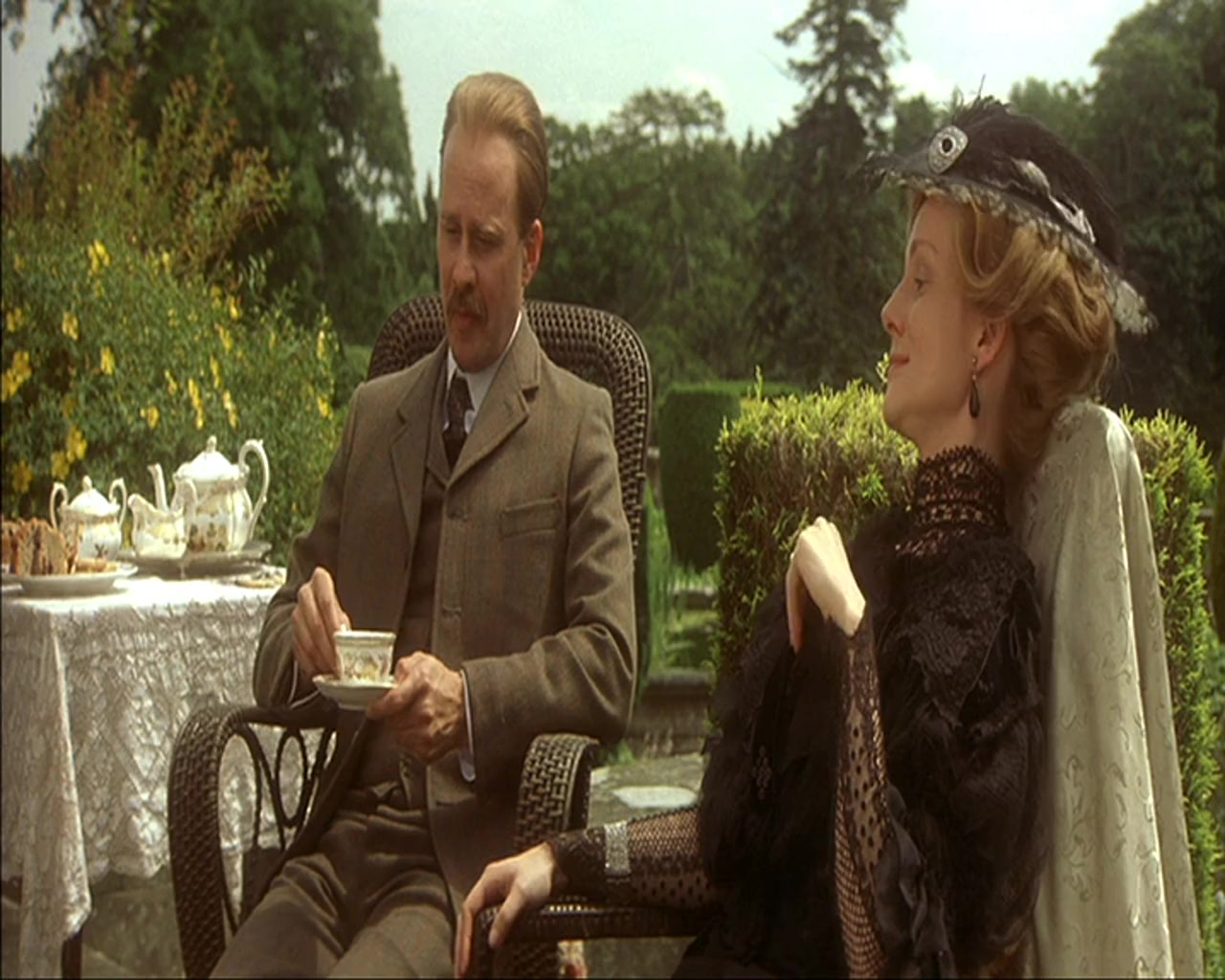
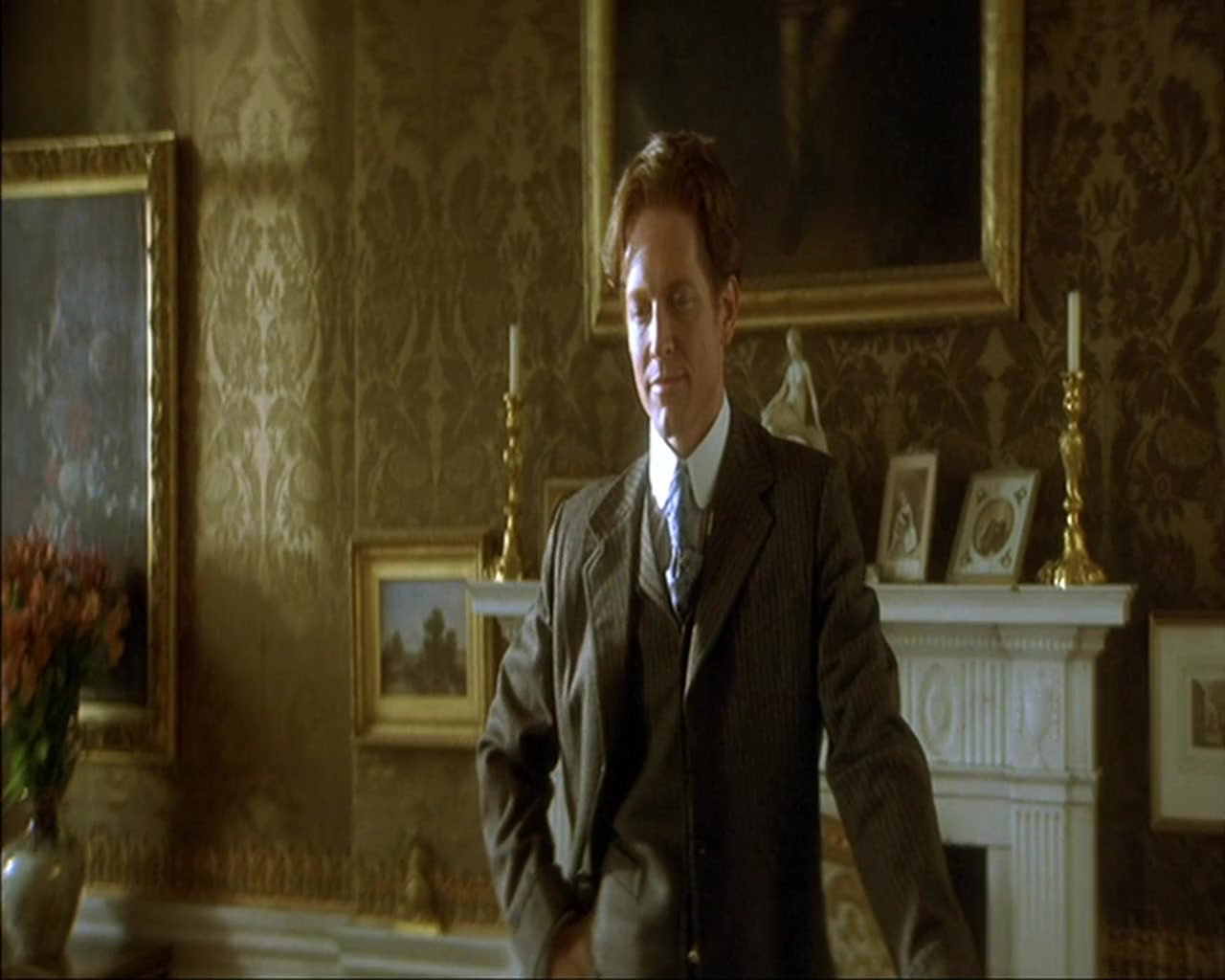
It's obvious that Davies took a great deal of care with this film. It is not infused with modern sensibilities, the period look is authentic, as is the look of the cast. By that I mean, Gillian Anderson's sumptuous red hair, full beautiful face, and lovely figure are much more period than, say, Gwyneth Paltrow's -- and yet films are rarely cast with an eye toward capturing the period in that way. The casting of Dan Ackroyd as Trenor is unusual but very right - he's not truly of the class he travels in and a real glad-hander. Eric Stoltz is Selden - handsome without being drop dead gorgeous, gentile without being effeminate, who has good chemistry with Anderson.
The villainess of the piece is Laura Linney as the awful Bertha Dorset, a cunning witch, and as usual, Linney is perfection -- smiling, subtle, and you can just see the knife going in. In the book she is more responsible for Lily's troubles than in the film. In the film, we see her making initial trouble for Lily; in the book, she continues to work on destroying her with a whisper here and word there.
What makes the story of Lily so frustrating is that she can ruin Bertha in five minutes but refuses, suffering instead, which drove me crazy. That's not the film's fault.
This was an era where no one expressed emotions, so when someone says, thank you or I understand, there is a world of meaning to be read in the eyes. It's a world of artifice, and Davies obviously worked at getting this from his actors. Everything is in what lies beneath.
The acting is uniformly excellent; only Gillian Anderson falls a little short of the mark. Lily is an extremely difficult role, and Anderson at least in 2000 did not have all the necessary skill to completely pull it off. She has the look, the bearing, and the intelligence. What she lacks is the ability to actually become someone of that era, rather than putting it on like an overcoat. She does much better in the latter part of the film, which calls for a different set of acting muscles than in the beginning.
Reminiscent a bit of "Sister Carrie," "The House of Mirth" points up the difficulties of women in that time period to make their way, of the boundaries of class, and the rigidity of the upper class. Highly recommended, but not an easy, cheerful film by any means.
Mesmerising film
This is a slow paced mesmerising film. If your only knowledge of Gillian Anderson is as Dana Scully in the X-Files then you are in for a big surprise. Firstly the lady can act, and secondly with great subtlety. If you have read the book then clearly the writer/director Terence Davies has taken a few liberties. But so much script has been lifted word for word from the novel that I think he can be forgiven any eccentricities. This is a story of manners in early twentieth century New York and environs. Everyone seems so decent and 'proper', but each plays their own manipulative game. No-one (with the exception of Sim Rosedale) tells the truth. As a morality tale it seems as relevant today as when Edith Wharton wrote it. Davies has succeeded in losing none of its mood or punch by transferring it to screen. Unfortunately I think this is a film that requires watching more than once as some explanatory scenes appear to have ended up on the cutting room floor. Generally the acting is excellent throughout though I felt that at times Davies's enthusiasm for detail hamstrung some actors where others appeared to have relished the close direction. This is a film to add to your personal collection.