The Scar of Shame

1929

Crime / Drama / Romance

2
IMDb Rating 6.3/10 10 513 513

Director

Top cast

Lawrence Chenault as Ralph Hathaway
Charles Gilpin as Lido Club Gambler
Harry Henderson as Alvin Hillyard -aka Arthur Jones
Norman Johnstone as Eddie Blake
720p.BLU 1080p.BLU
795.66 MB
968*720
English 2.0
NR
24 fps
1 hr 26 min
Seeds ...
1.44 GB
1440*1072
English 2.0
NR
24 fps
1 hr 26 min
Seeds ...

Movie Reviews

Reviewed by gbill-74877 7 / 10

One half the world doesn't know how the other half lives

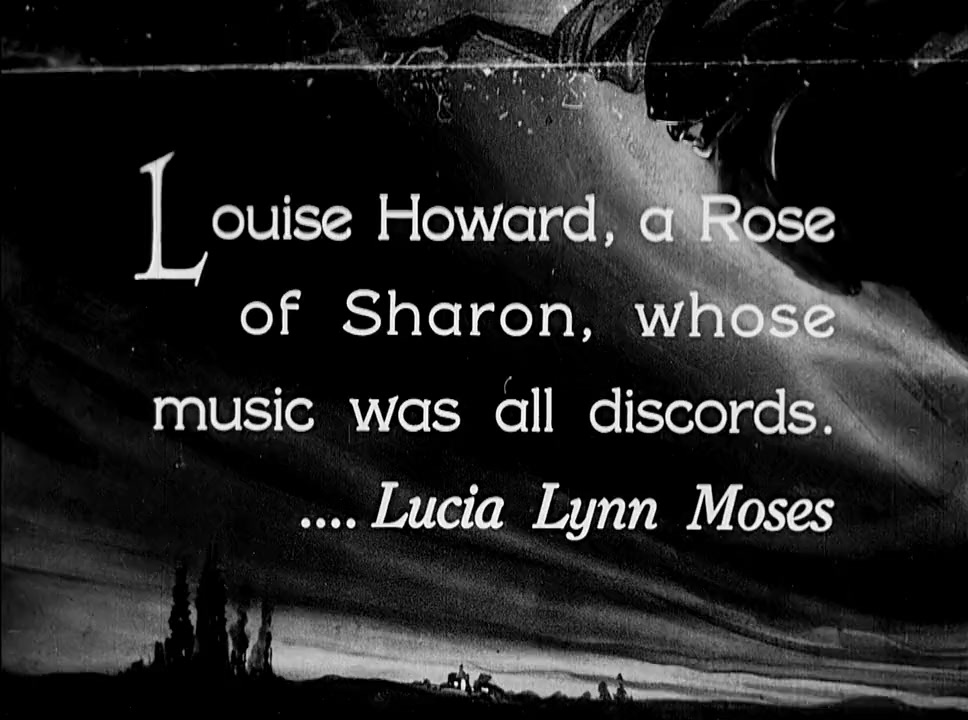
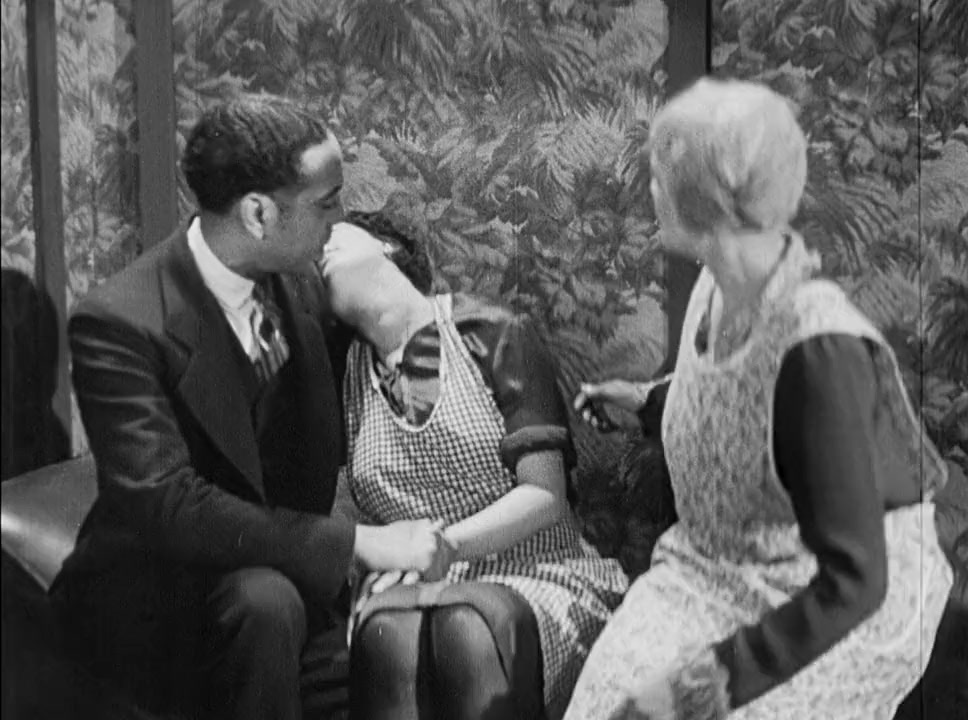
Despite having an all African-American cast, this film doesn't deal explicitly with race, as its script could have been applied to white people, which is a nice thing for 1927. The film is in part about the dynamic between social classes, and has some good early scenes that deal with that. In one, we see the intertitle "One half the world doesn't know how the other half lives" while a poor woman is scrubbing the laundry over a washboard. Eventually it gets a little bit pushy in its message, which is for people to choose higher aspirations in life (education, the arts, steady jobs) vs. lower (gambling, drinking, violence), making it a simplistic morality tale, and one that is of course directed at the African-American community.In that sense, it has everything to do with race, and says (1) look, we're people too, not the stereotypes Hollywood and white supremacist culture ordinarily portrays us to be (2) we can do better, that "Our people have much to learn." The plot and the love triangle which develops in the second half is more than a little melodramatic, but the screen presence of all three leads is undeniable (Harry Henderson, Lucia Lynn Moses, and Pearl McCormack), and had these actors been white they all might have been stars of the era. The film is pretty well made as well, making it a silent worth checking out.
Reviewed by Cineanalyst 6 / 10

A Race Film with Class but No Race

Having finished reviewing Oscar Micheaux's three silent films that remain accessible to this day ("Within Our Gates," "The Symbol of the Unconquered" (both 1920) and "Body and Soul" (1925)), it was interesting to check out a race film made by others, "The Scar of Shame." While produced and directed by Jewish émigré filmmakers, although perhaps with an integrated crew, it features, in contrast to Micheaux's non-segregated oeuvre, an all-black cast from Colored Players Film Corporation of Philadelphia, with which they made four films, the last of which was this one. Those familiar with Micheaux's films will recognize among the supporting cast former Micheaux regular Lawrence Chenault, who starred in "The Symbol of the Unconquered" and "Body and Soul."Like Micheaux's films, "The Scar of Shame" is a melodrama, but its singular focus on "uplift" to the exclusion of even the mention of race is in stark contrast to the African-American director's work. Being produced a few years later (sources differ on whether this one is from 1927 or 1929) and evidently with more financing and resources than Micheaux's surviving silents, "The Scar of Shame" does feature superior production values. Improvements in lighting, or the luxury of retakes and censors not ripping the nitrate to shreds, though, are at the expense of sophisticated storytelling, intriguingly complex plotting, greater relevance and an ideology that challenges rather than muddles. For all the technical limitations, I'll take a Micheaux silent over the glitz and classist commentary on class, or "caste," as its titles often put it, of "The Scar of Shame" any day.That's not to say this film doesn't have more than superficial appeal. Just as a historical record and a glimpse into the depiction of class distinctions in black communities from the 1920s is interesting. Moreover, once the picture picks up, the melodramatics are sometimes amusingly unpredictable until the aggravating conclusion. I hate these old-timey melodrama contrivances that always sacrifice the poor woman (and always a woman, usually of lower class, and often marked by some physical deformity) to make way for a supposedly-happy resolution for the upper-class couple. The same thing annoys me when it happens in, say, a Mary Pickford vehicle such as "Stella Maris" (1918). Micheaux's silents, by contrast, are also remarkable for how advanced they are in the representation of sex, including female protagonists and heroines who rescued the men. You won't find that here. The hero rushes to rescue the damsel-in-distress three times, including once from little more than saving her from accepting a job, I guess. And a woman's scar, which is easily concealed with scarves, is described at one point as completely marring her beauty.Additionally, if you thought Micheaux was overly didactic, try the hero here practically talking directly to the camera from the get go about uplifting the poors with "the finer things in life," which seems to consist largely of playing piano, a bit of reading and not abusing women. All fine things, indeed, even if every time "finer things" are mentioned I was reminded of the Finer Things Club from "The Office" TV series. It doesn't help that the lead male character here is quite pompous. "Oh! Our people have much to learn!," he bemoans as the picture has long since moved past pictures of Frederick Douglass hanging on the walls to a close-up of a copy of a "True Romance" book, and as the picture's silence on race seems to do little more than support another, more illusory caste system. Talk about mixed messages.
Reviewed by TiffanySays 7 / 10

Pretty Good For It's Time

OK first of all let's face it. Some films during the silent era can be boring and painful to actually get into, but are more worth the watch for the visuals of what things were like back then. I personally like watching them because there aren't a crazy amount of them left and it is fun to fantasize what it would have been like back then. I always feel like there are not enough words to justify having words at all during the films. This film is a silent black film with a great story. It doesn't put you to sleep and it has some powerful silent acting along with a powerful story about class. (This movie is called a race film bc it was a film made for black people starring black people. It does not mean that this movie is about racial issues with other races, but about a couple who marries each other outside of their classes and how the female lead has a very difficult time adjusting to a higher class life.) It is definitely worth the watch. It is very sad how many very early films such as this did not make it through the years. Watch them and appreciate them.
Read more IMDb reviews

1 Comment

Be the first to leave a comment