Wind from the East

1970 [FRENCH]

Action / Drama
5
Rotten Tomatoes Audience - Upright 80%
IMDb Rating 5.8/10 10 772 772

Top cast

Götz George as Soldat
Federico Boido as (as Ryck Boyd)
720p.BLU 1080p.BLU
762.42 MB
968*720
French 2.0
NR
23.976 fps
1 hr 35 min
Seeds 1
1.46 GB
1440*1072
French 2.0
NR
23.976 fps
1 hr 35 min
Seeds 4

Movie Reviews

Reviewed by filmreviewradical 2 / 10

A film of hypocrisy and irony

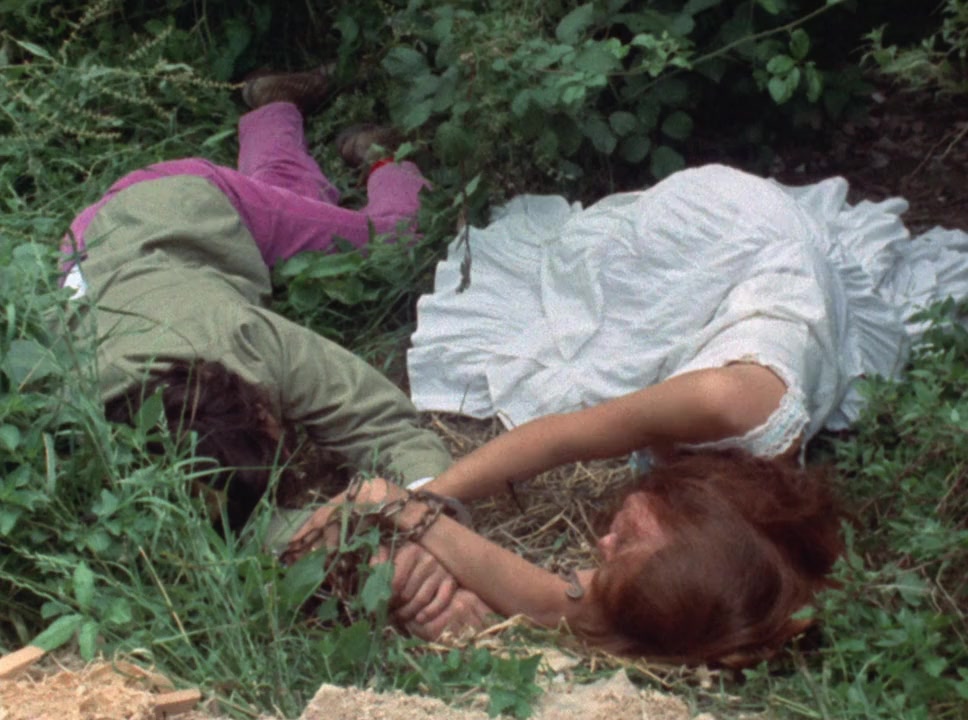
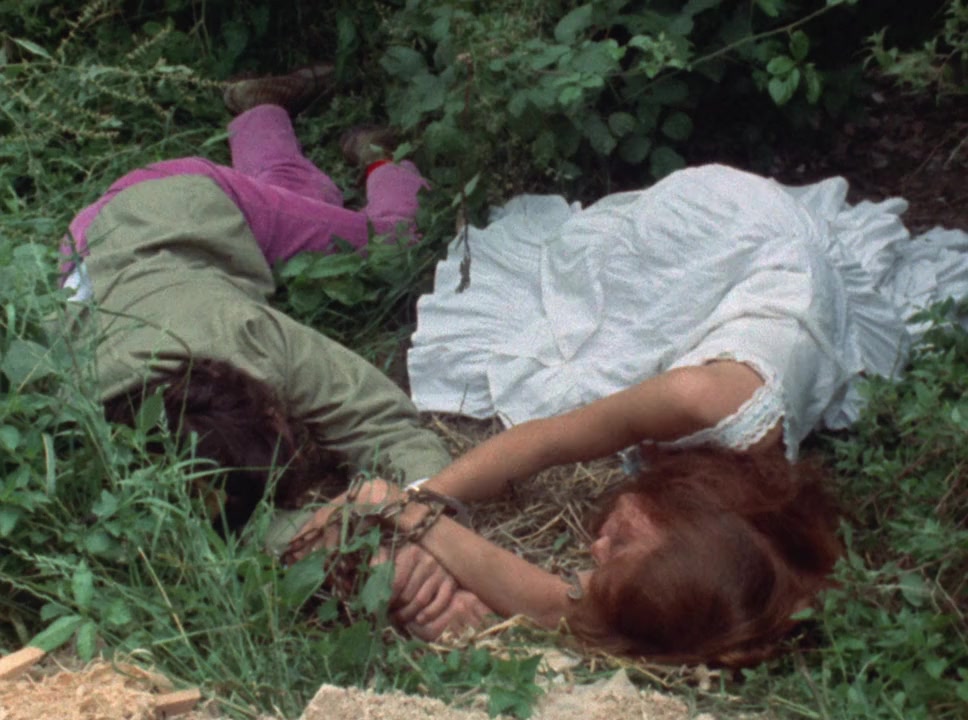
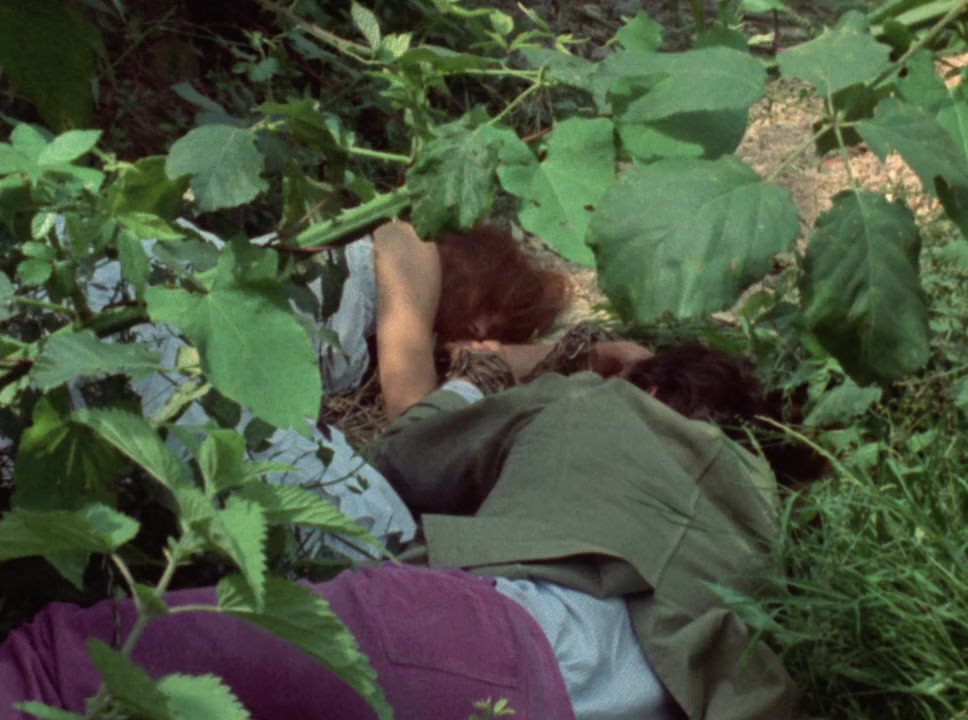
Released in 1970 and directed by the Dziga Vertov Group (Jean-Luc Godard and Jean-Pierre Gorin) this experimental 'Brechtian' political 'essay' feature film is an example of "making political films politically" in the words of Godard, or trying to. The images in the film come from a Dziga Vertov Group created Western which provides the film with it's comedy (with people dressing up and play acting in amateur dramatics style). This is not half as comical as some of the political slogans we hear on the soundtrack intoned by Anne Wiazemsky (saying what the men - Godard and 'dodgy' Daniel Cohn-Bendit - have written), featuring a lot of repetition, Godardian autobiographical elements (the self-reflexive moments rather capsize the film), and words being thrown around like imperialism, class struggle, ideology, ruling class, bourgeois, class consciousness, representation, contradiction etc. Many of these words are not defined by the filmmakers (at least not convincingly), including that favourite word of sectionalists like Godard and co 'revisionism', which in this context would appear simply to mean the many things the Dziga Vertov Group don't agree with. These include Hollywood cinema, Third World cinema, worker's self-management, anarchism, 'false realism', Sergei Eisenstein, and Dziga Vertov, amongst other things. What you assume may have been partly planned as an inquiry and critique of Hollywood cinema and it's aesthetics and ideology, employing symbolism (Glauber Rocha standing at the crossroads of cinema) and a disjunct between sound and image, is somewhat scuppered by the 'Marxist' joker Godard (Ingmar Bergman's "F...... Bore"), who once again reveals, in addition to confusion, contradiction, muddle and a great deal of hypocrisy, his very bourgeois background and (in some respects) attitudes (which the Chinese saw through). And here we reach the dominant aspect of this film, which is (as well as it's hypocrisy) it's irony - an autistic? Bourgeois telling the workers and the 'Developing World' how to think and behave, the unproletarian Godard insisting on 'proletarian dictatorship', talking about reality but seemingly having no recognition of it, and confusing counter-cinema with counter-ideology. The occasional valid thought peeps through all the ropey 'analysis' and contradictory and absurdist manure.
Reviewed by adrian_knott

The Jean-Luc Godard Endurance Test

Film theorists like to call this type of film an example of "counter-cinema", an attempt by a filmmaker to dislocate the viewer from any pre-conceived ideas of, say, narrative and acting so that he can raise the question of what traditional narrative cinema does to the spectator. In other words, by drawing our attention to the way a film is made he can confound our enjoyment and break the hypnotic effect a traditional film has on us. But who the hell wants that? If I wanted my enjoyment confounded, I'd rent "Flowers in the Attic"."Le Vent d'est" isn't so much a film as an essay on Communism and the insidious effect American culture has on the individual. It's also possibly the funniest thing I've ever seen. I saw this in an arthouse cinema in the late eighties and for two hours I sat biting my lower lip to prevent myself from laughing out loud. I needn't have bothered, because most of the audience had left within half an hour of the film starting. I wish I could remember it more vividly because I could share with you some of the stuff in it. One scene I do remember, though, is the one where Gian Maria Volonte (the bad guy in the Clint Eastwood spaghetti westerns) throttles some woman while someone else off-screen pelts her on the back of the head with red paint. What does it mean? Who knows? In this case, I'm proud to be a philistine.The worst thing about this film isn't the acting, the direction, or the dialogue (these are all irrelevant in this film, anyway). No, the worst thing is that Godard is arrogant enough to suggest that the average audience has no critical faculties of its own. Even worse that he feels he has to draw it to our attention.
Reviewed by

Read more IMDb reviews

1 Comment

Be the first to leave a comment