
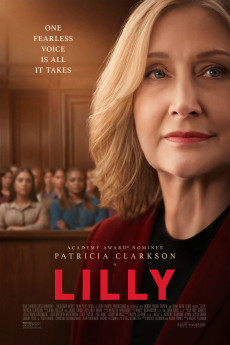
Lilly

2024

Drama

4
Rotten Tomatoes Critics - Rotten 58% · 19 reviews
Rotten Tomatoes Audience - Upright 91% · 100 ratings
IMDb Rating 7.0/10 10 725 725

Director

Top cast

John Benjamin Hickey as Charles Ledbetter
Gilbert Glenn Brown as Judge Clemon
Judd Lormand as Trevor Dawkins
Robert Pralgo as Kent Kohler
720p.WEB 1080p.WEB
859.35 MB
1280*536
English 2.0
PG-13
Subtitles us  
24 fps
1 hr 33 min
Seeds 18
1.72 GB
1920*804
English 5.1
PG-13
Subtitles us  
24 fps
1 hr 33 min
Seeds 20

Movie Reviews

Reviewed by 8 / 10

A very deep and emotional film, sad how women are treated

Lilly is a raw, emotionally charged drama that confronts workplace injustice and systemic sexism with unflinching honesty. The film follows a woman who has dedicated more than two decades of her life to a company, only to be repeatedly overlooked, demoted, and emotionally worn down when she dares to speak up about mistreatment. Rather than presenting her struggle as a single moment of conflict, the film carefully builds a portrait of long-term erosion-how years of disrespect, silencing, and institutional bias slowly strip away dignity and confidence. This approach makes the story feel painfully real and deeply relatable.What makes Lilly so effective is its refusal to sensationalize the experience. The screenplay is grounded and purposeful, allowing the weight of everyday injustices-dismissive comments, power imbalances, and quiet retaliation-to speak louder than exaggerated confrontations. Each scene adds another layer to Lilly's emotional exhaustion, creating a cumulative impact that is far more devastating than a single dramatic incident. The writing is thoughtful and restrained, trusting the audience to sit with discomfort rather than offering easy resolutions.The lead performance is extraordinary. Lilly is portrayed with a mix of resilience and vulnerability that feels entirely authentic. The actress captures the quiet strength of someone who keeps going despite constant opposition, as well as the internal toll of being made to feel disposable. Her performance never feels theatrical; instead, it's deeply human, making the audience feel every slight, every setback, and every moment of resolve. You don't just watch her struggle-you feel it.The direction complements this grounded tone beautifully. The film avoids flashy techniques, opting instead for intimate framing and deliberate pacing that keeps the focus squarely on Lilly's experience. The workplace environments feel cold and oppressive, reinforcing the emotional isolation she faces. Nothing about the film feels accidental; every choice supports the story's themes of power, control, and resistance.The inclusion and influence of Ruth Bader Ginsburg adds historical and emotional weight to the narrative. Her presence serves as a reminder that the fight Lilly is facing is part of a much larger, ongoing battle for women's rights and equality. It contextualizes the story beyond one individual, grounding it in real-world struggles that continue today.Ultimately, Lilly is not an easy film to watch, but it is an important one. It's a sobering reminder of how far society still has to go, and how damaging silence and complacency can be. The film is powerful, exhausting, infuriating, and deeply moving-all at once. It doesn't just tell a story; it demands to be felt. Lilly is a standout drama that deserves to be seen, discussed, and remembered.
Reviewed by 7 / 10

When Fair Is Fair

Profiles of powerful, determined, dynamic women faced with long odds courageously staring down formidable opposition provide some of the most engaging and inspirational viewing one can witness on the big screen. And one of the latest additions to that roster is writer-director Rachel Feldman's fact-based biography of unlikely but dedicated activist Lilly Ledbetter (Patricia Clarkson). The film chronicles the patient but relentless fight of the title character, a former manager at a Goodyear plant in Gadsden, AL, to secure equal pay for women earning far less than their male counterparts. After 19 years on the job and a stellar performance record, Ledbetter was demoted and then removed from her job, essentially for being a "troublemaker" who filed too many reports of unfair treatment against women and dared complain when she learned that she was being paid far less than the men at her plant. She took her claim to court, where she initially won her case but was later turned down on appeal as a result of a legal loophole in the law that was supposedly designed to guarantee equal pay. This controversial 5-4 Supreme Court ruling against the plaintiff nevertheless prompted the indignation of Justice Ruth Bader Ginsburg, author of the dissenting opinion, which garnered ample public attention and led to a legislative initiative to amend the law to eliminate the loophole, an effort in which Ledbetter and Ginsburg played crucial roles and captured the support of 2008 Democratic presidential contenders Barack Obama and Hillary Clinton. While the narrative here is admittedly somewhat formulaic, its message is nonetheless a clear and simple one - that fair is fair, no matter what one's gender might be and regardless of the rights involved. It calls to mind the moving stories of valiant women fighting for justice found in such predecessor works as "Norma Rae" (1979), "Hidden Figures" (2016) and "On the Basis of Sex" (2018). In conveying the spirit behind these notions, the film is undeniably impassioned in its intent but successfully avoids the trap of becoming unduly dogmatic, excessively preachy, punishingly self-righteous or blatantly partisan. The picture makes its point without resorting to male bashing, political party bullying or shrill corporate condemnation, again, staying steadily on point with its core fairness message. The filmmaker also does a fine job of explaining the circumstances of this case without being simplistic or condescending, skillfully relying on archival footage featuring interview clips of Ginsburg as she outlines Ledbetter's story, a de facto running commentary that effectively helps to keep viewers informed about what's transpiring in each of the picture's segments, There are also touching elements to the film, depicting what Lilly went through personally during the course of her odyssey, especially coping with the health challenges of her ever-supportive husband (John Benjamin Hickey) and seeking to rectify a protracted estrangement from her son (Will Pullen). In addition, as Lilly's story unfolds, viewers witness the many committed partnerships she developed with colleagues, including her primary attorney (Thomas Sadoski), one of the amended bill's sponsors, Rep. George Miller (Ray Bengston), and members of the Washington-based National Women's Law Center (Deirdre Lovejoy, Rhoda Griffis). "Lilly" is, without a doubt, one of 2025's most underrated cinematic offerings, one deserving of wider recognition and a commensurate audience, but, thankfully, it is now available for streaming online. We can only hope that one day the need for movies like this will no longer be necessary, but, until then, fortunately we have pictures like this to help keep reminding us of the work that remains to be done - and to help keep moving the needle forward.
Reviewed by 8 / 10

Why is Patricia Clarkson listed SECOND in the credits here?

This movie titled "Lilly", the actress playing Lilly isn't the #1 lead?The movie was good, but seeing the lead actress listed second is quite ironic, considering this movie is about the discrimination women experience in the workplace.Though I did find the clips of RGB to be a bit distracting and unnecessary.
Read more IMDb reviews

7 Comments

Be the first to leave a comment